
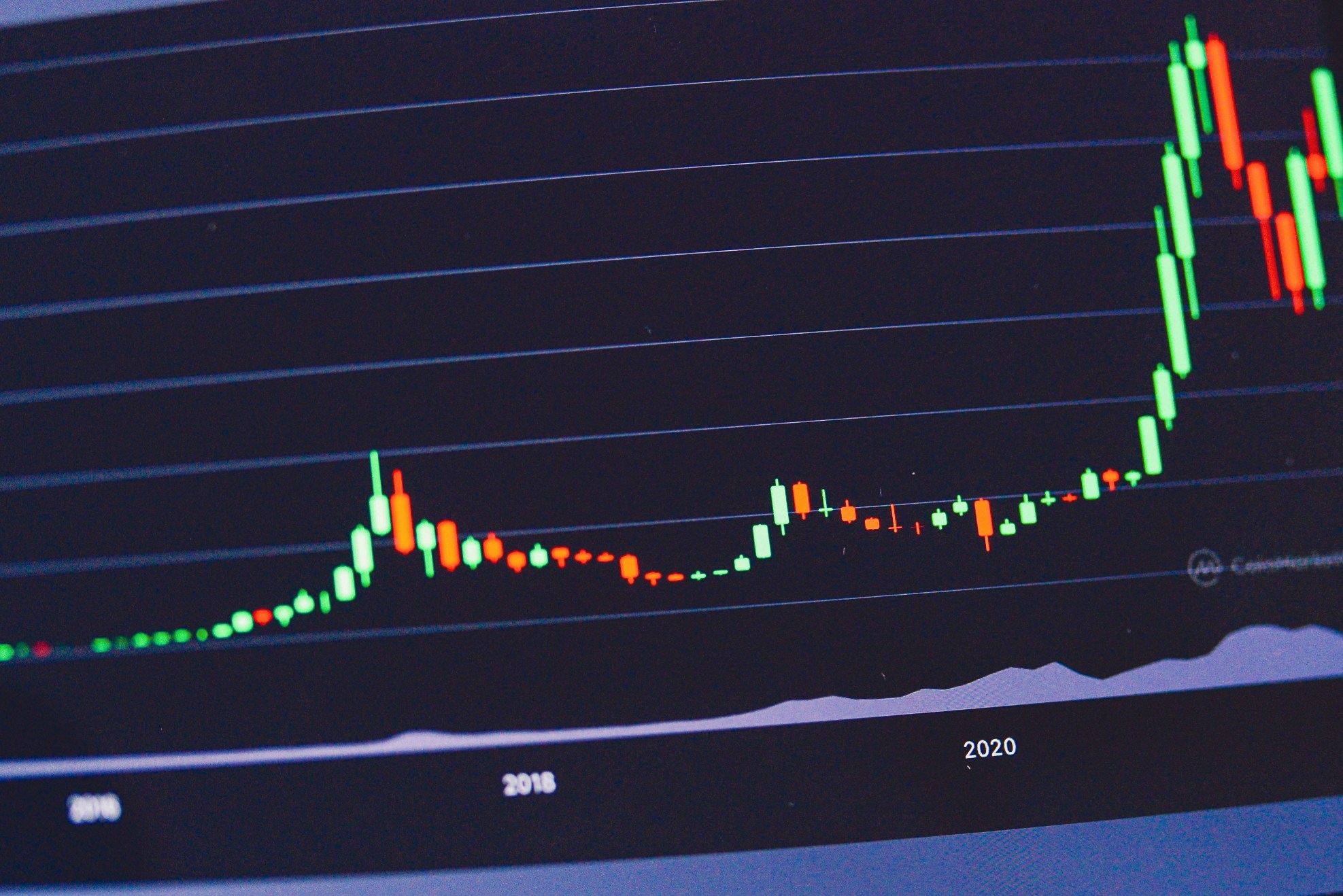
For many professionals in their 30s and 40s, building wealth is a top priority. You may be focused on saving for retirement, paying off a mortgage, or funding your children’s education. But when markets fluctuate—and sometimes drop sharply—investing can feel risky, even overwhelming. The good news is that volatility is a normal part of investing, and with the right approach, you can turn it into an opportunity rather than a source of anxiety.
Understanding Market Volatility
Market volatility refers to the speed and magnitude of price changes in the financial markets. It’s driven by factors such as economic data, interest rates, corporate earnings, and global events. While volatility can be unnerving, history shows that markets tend to recover over time. Panicking and making impulsive investment decisions often hurts more than it helps.
Focus on Your Long-Term Goals
Mid-career professionals are typically in the accumulation phase of their financial journey. This means your investment strategy should be guided by long-term goals rather than short-term market swings. For example, if your goal is to retire in 20–30 years, a temporary market downturn is unlikely to derail your plans. Keeping your long-term objectives front and center can help you stay calm when markets are turbulent.
Diversify Your Portfolio
Diversification—spreading your investments across different asset classes such as stocks, bonds, and alternative investments—is one of the most effective ways to manage risk. During volatile periods, some assets may decline while others hold steady or even increase in value. A well-diversified portfolio can reduce the impact of market swings on your overall wealth.
Stick to a Disciplined Investment Plan
For mid-career investors, discipline is key. Consider strategies such as:
- Dollar-Cost Averaging: Investing a fixed amount regularly, regardless of market conditions, can help smooth out the effects of volatility.
- Rebalancing: Periodically adjusting your portfolio back to your target asset allocation helps maintain your desired risk level.
- Emergency Fund Cushion: Having 3–6 months of living expenses in liquid assets ensures that you won’t need to sell investments during market dips.
Look for Opportunities
Volatility can also present opportunities. Market downturns may allow you to buy quality investments at lower prices. Staying informed and consulting with a financial professional can help you identify opportunities that align with your long-term goals.
Seek Professional Guidance
Mid-career is a critical stage to ensure your financial plan is on track. A financial planner can help you:
- Evaluate your risk tolerance
- Adjust your investment strategy during market turbulence
- Keep your focus on long-term goals while navigating short-term uncertainty
Key Takeaways
- Market volatility is normal and unavoidable, but panic-driven decisions can be costly.
- Focus on long-term goals and stick to a disciplined investment plan.
- Diversification and regular portfolio reviews help manage risk.
- Volatility can create opportunities if approached thoughtfully.
Investing during turbulent markets doesn’t have to be stressful. By staying disciplined, diversified, and focused on your long-term objectives, you can navigate volatility with confidence and continue building toward your financial goals. Talk to one of our advisors about your financial planning by contacting us at in**@************rs.com.
The opinions voiced in this material are for general information only and are not intended to provide specific advice or recommendations for any individual.
There is no guarantee that a diversified portfolio will enhance overall returns or outperform a non-diversified portfolio. Diversification does not protect against market risk.
Dollar cost averaging involves continuous investment in securities regardless of fluctuation in price levels of such securities. An investor should consider their ability to continue purchasing through fluctuating price levels. Such a plan does not assure a profit and does not protect against loss in declining markets.
Rebalancing a portfolio may cause investors to incur tax liabilities and/or transaction costs and does not assure a profit or protect against a loss.